How Proper Reserve Fund Planning Can Prevent Costly Community Painting Surprises
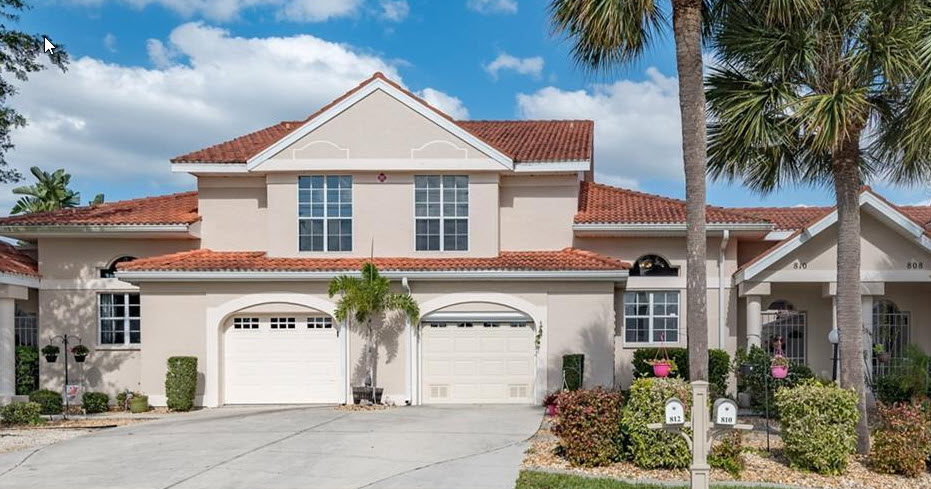
Exterior coatings fail on a schedule, not a whim. When your reserve study matches that schedule, repainting stops being a crisis. This guide shows boards and community managers in Punta Gorda, FL how to align reserve funding with hoa painting lifecycles so projects stay predictable, owner communication stays calm, and property values stay consistent.
Why HOA Painting Needs Reserve Alignment In Punta Gorda
Our local mix of intense sun, salt air off Charlotte Harbor, afternoon storms, and high humidity wears paint faster than cooler inland markets. Communities in Punta Gorda Isles, Burnt Store Marina, Deep Creek, and Harbour Heights see different exposure patterns, but the budgeting story is the same. If reserve allocations are based on generic timelines instead of observed conditions, repainting tends to arrive as an “extra” instead of a planned event, and that is when boards face weekend meetings and surprise special assessments.
Reserves that anticipate painting before visible failure give boards leverage on timing and scope. You can schedule work in a better weather window, reduce emergency repairs, and phase buildings in a way that flattens costs.
Understand Paint Lifecycles And Florida Climate
In Southwest Florida, exterior paint is a protective system. UV exposure chalks and fades pigments, wind‑driven rain works caulk lines, and warm, moist air stresses joints and substrates. Most coating systems here perform well for a set number of seasons when they are maintained. Treat that lifespan as a planning clock, not a guess.
- Sun and salt speed up fading and chalking on west and south elevations.
- Afternoon thunderstorm patterns create recurring moisture at parapets, railings, and balcony edges.
- Tree shade in Deep Creek or Harbour Heights can hold dampness longer, encouraging mildew.
When you see these patterns across multiple buildings, it is a signal to validate your repaint window against your reserve timeline rather than waiting for widespread peeling.
Build A Reserve Timeline That Matches Real‑World Wear
A reserve line labeled “painting every X years” is a start, but it will not prevent budget shocks by itself. Your timeline should flex with site‑specific conditions and be grounded in simple, repeatable documentation.
Start With Baseline Condition Documentation
Walk each building by elevation and note recurring wear: chalking bands, brittle caulk at window perimeters, thin film on railings, or hairline stucco cracking. Capture date‑stamped photos and keep them with color formulas and prior scope notes. That file becomes the backbone of future reserve updates and board transitions.
Forecast Six‑To‑Eight‑Year Windows, Not Exact Dates
Instead of naming a single repaint year far in advance, forecast a window. Then narrow that window as you approach it using fresh observations. This approach aligns deposits with likely timing while keeping options open to phase sections or pull forward high‑exposure buildings if needed.
Budget Smoothing Without Surprise Assessments
Boards rarely struggle with the “why.” They struggle with the “when” and “how much at once.” A reserve strategy that spreads the impact over multiple cycles prevents last‑minute spikes that trigger owner frustration.
Phase Buildings To Flatten Spikes
Group buildings with similar exposure so appearance stays consistent while funding stays smooth. For example, plan Punta Gorda Isles waterfront elevations as one phase and interior streets as another. This keeps reserves from taking a single big hit while avoiding a patchwork look across the community.
Scope Buckets You Can Predict
Set default scope buckets so small surprises do not derail the plan. For most associations, this includes: full wash and prep, joint and sealant work, balcony and railing coatings where present, and touch‑up of metal elements like gates and stair stringers. Document expectations so bids arrive apples‑to‑apples and reserves mirror reality.
Common Triggers That Break Budgets
Even well‑intentioned boards can get sideswiped by a few predictable triggers. Watch for these and address them early inside your reserve planning.
Weather Windows And Scheduling Bottlenecks
Trying to repaint during peak humidity or tropical activity invites delays. Crews work around weather, but tight reserve timing plus a wet season can expand schedules and overhead. Funding for painting should allow enough lead time to secure a good calendar spot and coordinate with management and owners. A simple adjustment in reserve deposits a year earlier can buy that flexibility.
Hidden Repairs From Missed Maintenance
If repainting is pushed past the coating’s useful life, minor substrate issues become repairs that were not priced. Open caulk, peeling at railings, or efflorescence under parapets grows into carpentry or stucco patching. The cure is **acting before failure spreads**, not inflating contingency. Your reserves should anticipate paint while the surface still supports cost‑effective prep.
A Simple Planning Framework For HOA Boards
You do not need complex spreadsheets to stay ahead. You need a repeatable framework and a partner who keeps the files organized from cycle to cycle.
- Year 0–1: Establish a baseline report with photos, color data, and any prior repair history. Link it to your reserve line for painting.
- Year 2: Re‑inspect and update notes. If patterns emerge, narrow your repaint window. Validate the reserve allocation.
- Year 3–4: Begin budget smoothing. Decide whether to phase by elevation or by cluster to keep appearance consistent.
- Year 5–6: Finalize scope and owner communication. Confirm weather window and coordinate access and logistics.
If you prefer a turnkey approach, Peacock Painting Services offers a structured planning pathway. Their condition assurance program (c-cap) formalizes inspections, documentation, and reserve-aligned forecasting so boards inherit a living exterior record rather than starting from scratch every few years.
Linking Reserves To Real Conditions Protects Value
Owners care about dues and about how the community looks. Reserves that anticipate repainting at the right time deliver both. Consistent finishes keep curb appeal strong in neighborhoods like Burnt Store Lakes and Seminole Lakes, and finishing in the right season helps topcoats cure properly. The result is fewer complaints, smoother meetings, and **clear documentation for future boards**.
For a deeper dive into lifecycle thinking, many boards appreciate this related read on early planning and timing. You can review it here: how hoa and condo associations should plan exterior painting 3–7 years in advance.
How Peacock Painting Services Helps Punta Gorda Communities Stay Ahead
Peacock Painting Services specializes in large‑scale community repaints with a structure built for HOA and condominium environments. That includes condition reviews, photo documentation, reserve‑aligned estimates in the mid‑cycle years, and project sequencing that respects residents. When planning is locked in, execution becomes straightforward and consistent from building to building.
If you are building the next budget now, it helps to benchmark your lifecycle against a pro’s planning model. Start by scanning your community for obvious wear and comparing it to your reserve assumptions. Then talk through timing with a contractor who works in association settings every week. A short conversation now is often the difference between an orderly repaint and a scramble.
When you are ready, review the scope of hoa painting services available locally and align your reserve targets accordingly. You will reduce risk, protect appearance, and avoid emergency spending that disrupts other priorities.
Bring It All Together: A Board Checklist For The Next Cycle
Use this short checklist to keep your next repaint on track with funding and timing:
Document once, update often. Keep a single exterior file with condition photos, colors, and notes. Refresh it on a set cadence so boards do not “start over.”
Forecast, then fine‑tune. Set a six‑to‑eight‑year window, then sharpen it as observations accumulate. This turns uncertain timelines into clear planning cues.
Phase for consistency and cash flow. Sequence clusters so finishes match while reserves absorb the work in smoother steps.
For a broad overview of repaint planning timelines and sequencing, you can also scan this practical article: step‑by‑step exterior painting checklist for busy florida homeowners.
Ready To Align Reserves With Your Next Repaint?
Reserve planning and repainting are two sides of the same coin. When you connect them, you gain control over timing, scope, and owner expectations. If your association in Punta Gorda, FL is seeing chalking, brittle caulk, or uneven fading across buildings, now is the right time to compare conditions to your reserve study and pencil in a realistic window. You can start the conversation with Peacock Painting Services at 941-627-3575, or review the local approach to hoa painting so your board steps into the next cycle with confidence.
Prefer to explore first? Here is a quick way to see how Peacock Painting Services frames community care, planning, and results across the site: visit our home page through this overview of hoa painting in Punta Gorda, FL and related services. When you are set, your board can move forward with a clear plan, a better weather window, and **fewer surprises built into the budget**.
Contact Peacock Painting Services In Punta Gorda Today For A Free Quote!